How to Build Your First Local RAG Pipeline with Ollama, Qdrant, and Python
Written by - Millan Kaul
Here is How to Run a full RAG pipeline locally. No cloud dependency. No black box. Just a practical AI stack you can understand, test, and trust.
Architecture diagram of the RAG pipeline:
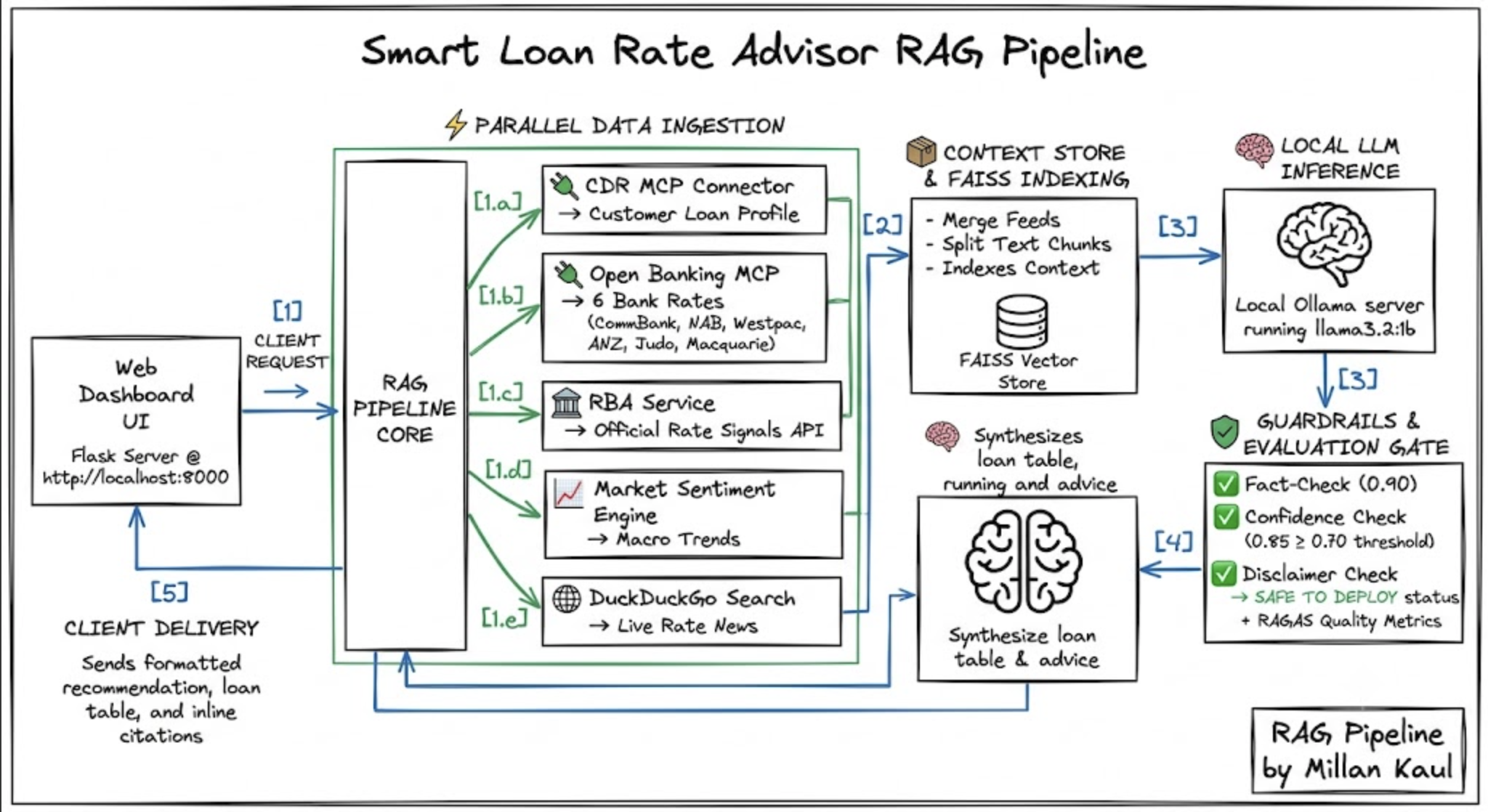
Let me walk you through how I built and validated a local RAG system using Ollama llama3.2, Python Flask, LangChain, Qdrant, Docker, pytest, guardrails, and RAGAS evals.
This project is designed to make local AI easier to explore for both technical and non-technical viewers.
What You’ll Learn
- How to run Ollama locally with
llama3.2 - How to connect Python Flask to a local RAG flow
- How to use Qdrant for vector search
- How to structure the pipeline with LangChain
- How to validate outputs with guardrails
- How to score the system with RAGAS evals
- How I used Docker to make the setup easier to run
Why I Built This
My goal was simple: make local RAG easier to understand, easier to run, and easier to trust.
I also spent extra time dockerizing the complex parts so anyone can follow the setup without getting stuck on infrastructure and they can go and just say docker compose up and get started in minutes.
Source Code and Video
YouTube video
If you watch it, I’d love to hear what you think and what you’d build next, comment here on LinkedIn

GitHub repo
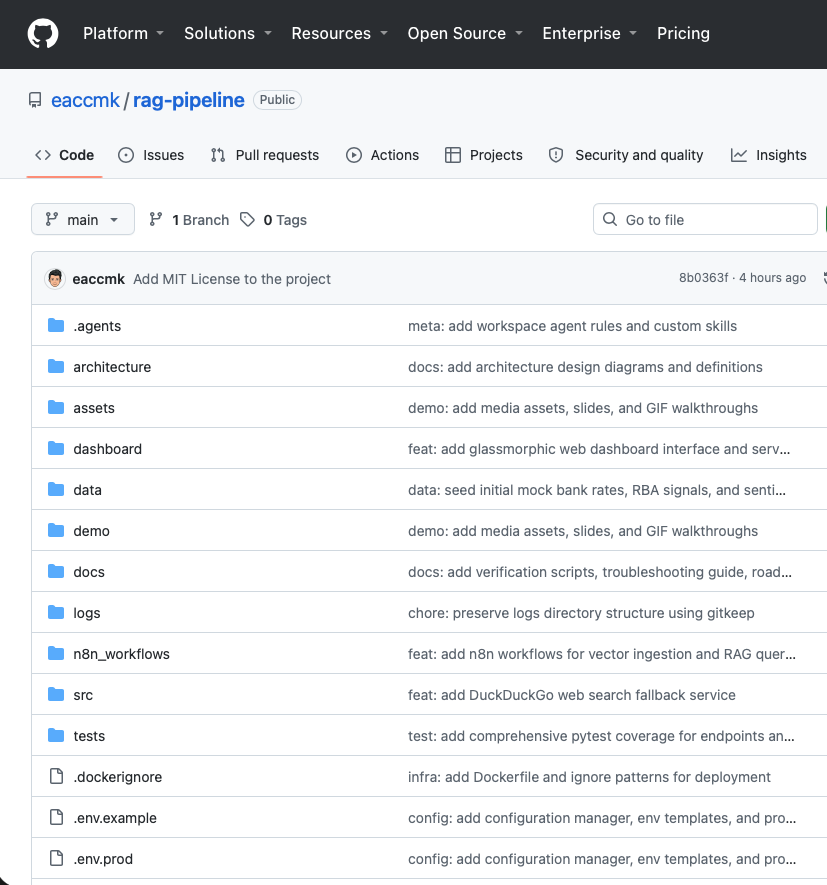
The full source code is public, and I encourage you to try it, remix it, and improve it.
Tech Stack
| Project Core | AI Core | Guardrails & Evals |
|---|---|---|
| - Python - Flask - Docker - pytest |
- Ollama - Llama 3.2 - LangChain - Qdrant - Open Banking MCP |
- Ragas - Guardrails AI |